
Standout Partnerships and Drops by We Are Righteous Collaborative Projects
The brand has built its character through careful, limited-run collaborations rather than mass-produced seasonal filler. Anyone researching the brand swiftly picks up on that its joint releases carry a separate significance than its standalone collections — these releases usually sell faster, stir up more chatter among fans, and frequently turn into benchmarks in any honest righteous review’s output. What follows examines how these joint efforts work, what they’ve brought to the table, and why they matter to anyone assessing the brand as a credible player in the independent streetwear space rather than a short-lived moment.
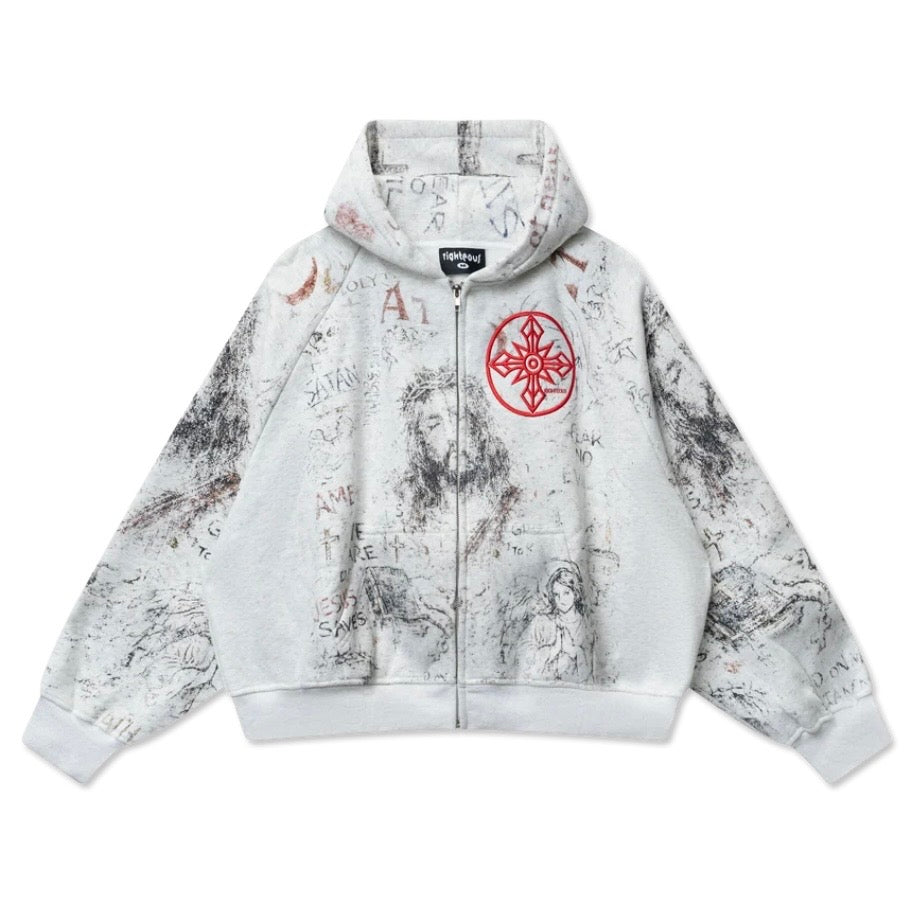
Collaborations are, by nature, a test of a brand’s values. When the brand joins forces with an artist, a smaller label, or a cultural institution, the pieces that come out of it have to please two audiences at once — the core customer base and the partner’s own following. That push and pull has historically pushed the brand’s creative team to tighten up execution: the stitching, weight of fabric, and placement of prints all undergo closer inspection before a joint release hits the market. This is part of why the righteous hoodie remains the most requested item whenever a new partnership is announced, since the silhouette has already proven itself across multiple drops.
Why Collaborations Matter for a Brand Like Righteous
Smaller labels don’t typically have the marketing budgets of large fashion conglomerates, so partnerships function as a sensible method to reach new audiences without watering down the core aesthetic. For the brand, this has meant working with partners who share a similar visual language — graphic-forward designs, restrained colorways, and practical silhouettes — rather than pursuing collaborators just for brand recognition. That restraint comes through in customer feedback: returning customers frequently mention in reviews that partnership garments feel true to the rest of the righteous apparel catalog instead of feeling like a bolted-on side project.
A supply-chain reality also underlies these releases. Small-batch partnerships typically run smaller production https://righteout.com/t-shirts/ batches, often in the range of a few hundred to low thousands of units depending on the partner and garment type. This limited availability is by design. It keeps manufacturing standards more rigorous, minimizes excess inventory waste, and gives the brand room to explore denser cotton fabrications or unconventional dyeing methods that wouldn’t be cost-effective at larger volumes. For a label still expanding its supplier relationships, this approach has been a practical compromise between aspiration and practical limitations.
Which partnerships get repeated has in large part been shaped by community response. Drops that sell out within days tend to get sequels or expanded colorways the following season, while slower-moving releases get quietly dropped from future plans. For a mid-sized apparel company, this kind of feedback loop is remarkably transparent, and it’s part of why longtime customers see each we are righteous review thread as real signal instead of promotional noise.
Standout Categories of Partnerships
Not every righteous partnership takes the same shape, and it helps to break them down into rough categories based on which partners the brand chooses and what each drop is actually trying to achieve.
- Artist-led partnerships — limited graphic prints created alongside illustrators or photographers, usually applied to hoodies and tees.
- Cross-brand collaborations — joint releases with fellow independent labels, combining two design languages into a single capsule.
- Cultural and community drops — partnerships tied to music events, local scenes, or advocacy groups, frequently allocating a portion of proceeds allocated to a cause.
- Textile-focused collaborations — partnerships with textile suppliers or manufacturers to test new fabric blends before full-scale rollout.
Each type of collaboration exists for a distinct reason. Artist partnerships typically pull in the biggest social media buzz, since the graphic work stands out more visually than anything else in the drop. Industry-watchers, on the other hand, often care more about cross-brand releases, because they expose just how complementary two design approaches really are once forced onto a single piece. Though less flashy, material-focused collaborations may matter more over time, as they shape which fabric weights and finishes eventually become standard throughout the full righteous apparel lineup.
What Sets Righteous Drops Apart from Typical Streetwear Collabs
Plenty of streetwear partnerships depend almost entirely on logo placement — two brand names stacked on a chest print and little else. That kind of shortcut is one Righteous has mostly avoided. Its collaborative pieces tend to integrate the partner’s identity into the garment’s construction rather than just its surface graphics, whether that means adjusted seam placement, a modified hood shape, or a partner-specific color story that runs through the whole piece instead of a single patch.
That kind of process demands more time to develop. Design cycles for a true collaboration typically run six to ten weeks longer than a standard in-house release, since fit samples, colorways, and fabric sourcing all require approval from both sides before production can start. Still, the investment pays off through resale value and customer loyalty — collaborative righteous hoodie releases have historically held their value on secondary markets better than solo drops, a detail that committed collectors pay close attention to when deciding whether a fresh partnership merits a pre-order.
The company has additionally been reliable about disclosing production details for joint-release garments, including batch sizes and, where relevant, sourcing information for special materials. That transparency has gone far in foster credibility among people who were originally doubtful after reading a so-so righteous review online. It may seem like a minor operational decision, but it sets apart the brand from competitors who treat collab reveals as pure hype cycles with no substantive follow-through.
Comparing Types of Collaborations
The table below breaks down the general characteristics of each collaboration category the label has undertaken, based on typical production patterns observed across previous releases.
| Collaboration Type | Standard Batch Volume | Core Product Focus | Buyer Interest Trend |
|---|---|---|---|
| Artist Collaboration | a range of 300–800 units | Hoodies, graphic tees | Fast sellout, high social engagement |
| Brand-to-Brand Partnership | a range of 500–1,500 units | Outerwear, hoodies | Consistent interest, solid return-buyer rate |
| Cultural Collaboration | between 200 and 600 units | Tees, accessories | Moderate demand, strong loyalty impact |
| Fabric-Centered Partnership | 150–500 units | Base layers, hoodies | Gradual yet steady, favored by collectors |
Such a rundown matters since it shows that not every righteous drop is designed to clear inventory in a weekend. Certain releases are explicitly structured around durability and trial rather than volume, which is a more lasting model than chasing hype with every single release.
Ways to Assess a New Righteous Collaboration Prior to Purchase
Anyone at all considering a purchase from a forthcoming release should look past the reveal visual and check a few real-world specifics first. Batch volume, material makeup, and the partner’s quality-control history all matter more than the marketing copy accompanying the release. It also helps to examine how the label has managed sizing consistency in past collaborative pieces, since fit can shift slightly when a partner’s construction preferences are folded into a recognizable shape.
- Look at the stated production run — tighter batches move quicker but may also suggest riskier fabric choices.
- Go over fabric and care details closely, since collab items sometimes use fabric mixes different from the brand’s regular lineup.
- Look at the collaborator’s track record — established relationships tend to produce more consistent quality than single-shot collabs.
- Watch buyer reactions in the first 48 hours after release, which is frequently more trustworthy than pre-launch marketing.
This quick checklist require little time but can save buyers from disappointment, especially with scarce items that never return to shelves. Since collaborative drops sell fast and rarely return in the same form, running these checks before checkout is far more useful than doing it after a piece has already sold out.
A Glimpse Forward Into 2026 Partnerships
With 2026 on the horizon, expect the label to continue prioritizing a smaller number of intentional partnerships over a heavy stream of fast drops. This echoes input from loyal, longtime shoppers who steadily place craft and follow-through ahead of how often releases happen in their we are righteous review comments. Expect continued emphasis on artist-collaborated visual work alongside one or two partnerships centered on materials designed to explore thicker, more substantial materials for chillier environments.
For shoppers and collectors alike, the smartest approach remains the same regardless of which partner gets announced next: read the production details, compare batch sizes against past drops, and treat the hype cycle as secondary information. Righteous has built its collaborative reputation on substance over spectacle, and the brand’s continued discipline in 2026 will likely be judged by whether it keeps that standard intact as its audience — and its list of potential partners — keeps growing.